Mosquito Grizzly Bears Head Lean Man First Nation
Healing, Empowerment, Education and Employment Project
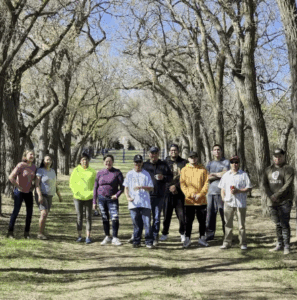
Mosquito Grizzly Bears Head Lean Man (MGBHLM) First Nation is an Assiniboine Nation located in the Eagle Hills of Saskatchewan with just over 1000 members. The HEEEP program was designed to support unemployed youth and adults who are struggling with the intergenerational impact of Residential Schools, leaving too many in a despair state. Support from the FG Foundation and MGBHLM Economic Development helped the community empower unemployed community members to make positive changes in their lives, family lives and great community lives.
The intensive 6-month holistic healing program provided participants with the chance to attend healing circles, feasts, and MGBHLM history lessons including the history of the signatory in Treaty 4 & 6, and language teachings hosted by an Elder and employment training services. The participants gained one week training for safety tickets, life skills training which included a 1-week practicum within a business owned by MGBHLM Economic Development. These program offerings created a sense of belonging, connection to culture, positive experiences, and sense of pride in their history and strength in knowing of the Warriors who came before.
Throughout the duration of the program, participants focused on the personal holistic development and importance of family values and connection. The healthy environment generated will support the community to move forward, explore new ways of being and hopefully help set participant on a future path of success.
Manitoba Indigenous Cultural Education Centre Inc.
The Manitoba Indigenous Cultural Education Centre (MICEC) was founded to address the devastating effects of Canada’s assimilation policy towards First Nations people and proactively works to support First Nations people reclaim their cultures, languages, and education in Manitoba. With the support of FG Foundation, the MICEC hired an online learning coordinator and created 18 different videos to educate and share Indigenous cultures and languages in Manitoba. The MICEC selected educational topics of parenting, crafting, language, harvesting, storytelling, history, and treaties to share with their audiences and throughout the duration of the project they had a over 10,000 viewers including 150 residential school survivors.
MICEC Online highlighted and provided a platform for individuals to share their knowledge, talents, skills, and stories with viewers and connect them with the people, communities and organizations who are revitalizing Indigenous languages and cultures. By creating videos and online content it allowed a larger community to connect with knowledge keepers, activists, and leaders to find wellness in this time.
Interested in learning how to peyote stitch or sew your own ribbon shirt? Click here. Or you can explore videos on parenting, language, harvestings, storytelling, history, and treaties from MICEC online here.
Odawa Native Friendship Centre
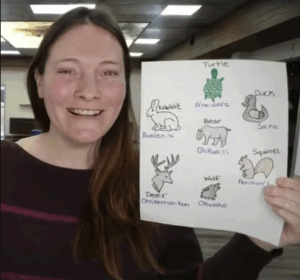
The Odawa Native Friendship Centre originally aimed to create a series of recordings of Algonquin elders speaking language for young viewers. However, with pandemic restrictions in place and the need to protect elders, the Odawa Friendship Centre modified the program and has instead brought the Early Years Algonquin Language and Cultural Introduction program online for viewers with little ones between the ages of 0-6.
For many viewers, these language lessons are their first-time hearing and learning to pronounce words. By centering the lessons around everyday words and phrases such as greetings, counting to 10, daily phrases for napping and waking up, the program encourages the daily use of the language.
The videos were created for young minds to cultivate engagement with language and takes the approach of immersing young ones in cultural learning via video. The videos are also shared with network of Indigenous childcare facilities in the region.
With the change in program, the Friendship Centre was also able to expand to include words and phrases in Mohawk and Cree language. The lessons included animal names, counting, Special Day messages, the colours and more. The program not only helped bring language and culture into many homes across the Ottawa region, but it also helped build confidence and capacity in staff by encouraging them to use language daily and teaching them to include culture in program planning on a regular basis.
You can check out some of the language videos on the Odawa Native Friendship Centre Facebook page here.
First Nations Education Foundation and Haisla Nation Council
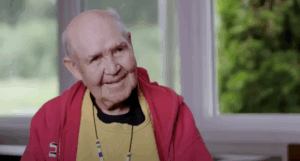
A film documenting Rapid Word Collection, a language curation methodology with the Haisla community of Kitamaat, BC and First Nations Education Foundation. The video is an amazing example of what community led language revitalization work looks like. The FG Foundation was the major funder of this project and we honor the incredible efforts by the Haisla First Nation and First Nations Education Foundation in making this rejuvenation project a success now and for the future!
Watch the video here: https://www.youtube.com/watch?v=d2lY3T0hUw4
Victoria Native Friendship Centre
The Young Warrior Program that is offered by the Victoria Native Friendship Centre is intended to empower youth ages 7-12 and connect them with resources offered through the Friendship Centre. Youth are provided with the opportunity to participate in twice-weekly groups that teach the youth to strengthen their decision-making skills, taking care, and finding balance. Some of the topics covered are healthy relationships, bulling and identifying bullying, boundaries, empathy, mindfulness, anxiety, and self-care. The curriculum is taught through sharing circles, journaling, games, and activities. The program has an art therapist who provides some engaging art activities. The topics for each session also incorporate culture, such as sharing circles and storytelling. At the end of the program there is an opportunity for the youth to learn how to make a medicine pouch or drum. The Victoria Native Friendship Centre is providing an environment for youth to learn, grow, and explore different interpersonal skills and connect with local elders who act as mentors, cultural advisors, and wisdom keepers to the youth.
Spirit Bear Echoes of the Past
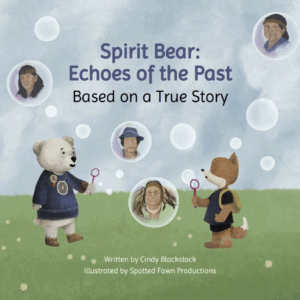
To help increase resources available to youth and children across Turtle Island that bring awareness to reconciliation, support from the FG Foundation has helped the First Nations Child and Family Caring Society of Canada release Book 4 of the Spirit Bear series. Spirit Bear: Echoes of the Past is a collaboration between the Caring Society and Spotted Fawn Productions, who illustrated the book.
Written By: Cindy Blackstock
Illustrated By: Spotted Fawn Productions
To help increase resources available to youth and children across Turtle Island that bring awareness to reconciliation, support from the FG Foundation has helped the First Nations Child and Family Caring Society of Canada release Book 4 of the Spirit Bear series. Spirit Bear: Echoes of the Past is a collaboration between the Caring Society and Spotted Fawn Productions, who illustrated the book.
In this book, Spirit Bear and his family are on vacation in the territory of the Lekwungen-speaking peoples, Songhees and Esquimalt, (also known as Victoria, BC). They happen to see the statue of Sir John A. Macdonald being taken down so Spirit Bear and his family learn about the good and bad parts of history and how we can make better decisions now and for future generations of First Nations, Métis, and Inuit kids. The book also shares the story of whistleblower Peter Henderson Bryce and his courage to speak out against the injustices for First Nations, Métis, and Inuit children in residential schools. The book will also be available in Algonquin and French. The book is available at local bookstores with all proceeds going back toward children’s reconciliation projects at the Caring Society.
Bent Arrow Traditional Healing Society
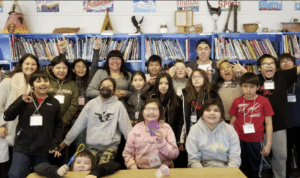
The focus of the Coyote Pride Mentoring Program is to share teachings of culture, the histories of First People, and speak the truths of the Residential Schools. The program began operating in different schools in the region and explored the true effects of intergenerational trauma, and the importance and impact of Reconciliation from the First Peoples perspective. They also included a land-based teachings series that shared teachings from Elders and Knowledge Keepers online. The students were taught traditional games such as run and scream, sling ball, lacrosse, and hoop and dart, and they explored traditional lessons in hunting and trapping.
At Coyote Pride, they believe that mentoring preserves a way of life based on spirituality, sacredness, reciprocity, education, and social responsibility. With the integration of cultural pride, it preserves and protects the health and well-being of the youth. Through these mentoring sessions youth received the opportunity to learn different tribal regions, language lessons in Cree, and storytelling/legends within eight (8) different schools in the Edmonton region.
When the pandemic brought the students home, the Coyote Pride Mentoring Program and the Bent Arrow team provided activities to support families to try to find new ways of being together during the pandemic. This resulted in over 150 youth and their families receiving a variety of “kits”. A traditional games kits, family board game kit, Smudge kits, Seven Sacred Teachings kit, healthy snacks and cooking kits, and even hygiene kits. These kits helped the families, children and youth connect to their indigenous culture, strengthen family ties, and support overall wellness.

Seven Oaks District School Board
Located in the northwest region of Winnipeg, the Seven Oaks School Division runs the Ojibwe Bilingual Language Program. The program is a FG Foundation multi-year beneficiary and has been supported by the Trust Fund since 2017. The program has grown with the students from Kindergarten to grade 5 and is now entering the Middle Years. There are currently over 100 First Nations and Métis students enrolled in the language immersion lessons and multiple First Nations teachers and support staff.
The language program has played an important role in many of the student’s lives by connecting them with culture and language learning they may not have access to while in-care or at home. The program is connecting staff, students and their families with community Elders and Knowledge Keepers, creating networking and professional development opportunities, and is helping to increase the number of Ojibwe language speakers within Treaty One Territory. Through the program, the Seven Oaks School District can support Indigenous teachers and support staff as they strengthen their language skills through the Indigenous Language Certification program at Red River College and the University of Winnipeg.
Riverbend School and the Seven Oaks School Division remain committed to recovering and preserving Indigenous languages through in-school programming and community involvement. Through the Ojibwe Bilingual Language program, they create and provide language learning opportunities for their students and community members through Indigenous ways of being, learning and doing and are directly helping to create long-term sustainable language learning and development accessible for future generations.
Sisters Strengthening Sisters
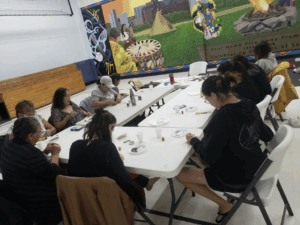
Funding from the FG Foundation has helped the Saskatoon Friendship Centre host capacity-building workshops and activities such as First Aid, CPR Training, education and employment, mental health, wellbeing, and parenting workshops which were aimed at helping Indigenous women and girls develop and grow. The cultural workshops focus on building a sense of identity and self-confidence through cultural teachings and lessons which helps connect participants with elders, knowledge keepers, encouraging mentorship, and knowledge sharing. The Saskatoon Indian and Metis Friendship Centre is working to heal the traumas left behind by Indian Residential School Systems, Day schools, and the Sixty scoop. In doing so we are trying to heal the life-givers and strengthen our Indigenous sisters.
Zhawenjigewag Inawemaaganag Family Healing Program
The Zhawenjigewag Inawemaaganag Family Healing Program aims to reconnect families through traditional cultural knowledge and peacemaking practices, foster personal development and holistic wellness through cultural knowledge and personal life skills, and contribute to community development. The program gives families who have experienced family violence the chance to reconnect and heal together through conflict resolution and traditional teachings.
The program has collaborated with a circle of Elders to revitalize Anishinaabe, Haudenosaunee, and Lene-Lenape cultural knowledge and peace-making practices that are the foundation of the program. Families are provided with a safe space to discuss and work together to create plans towards healing and forgiveness. The program seeks to address intergenerational trauma that underlies many challenges in Indigenous communities like mental wellness, family violence, justice system involvement, child welfare and addictions. Sessions with Elders and workshops help participants learn new skills in areas like communication, traditional parenting, harm prevention, goal setting, and building self-esteem. Participants have the chance to work with Elders and traditional knowledge keepers one-on-one. They also are provided support to help navigate criminal and family justice systems. Funding from the FG Foundation has helped secure the expertise and knowledge from the local Elders and strengthen family ties by sharing language, ceremony, teachings and peacemaking practices.