Paqtnkek Community Radio Project
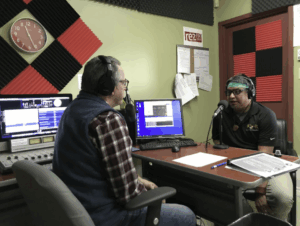
In Nova Scotia, the Mi’kmaw Nation in the community of Paqtnkek were looking for a hub to share important news, community updates, and discussions for what needed to be shared for their members. The community is populated with less than 600 members including a few musicians, change-makers, and elders; and that’s how the Paqtnkek Community Radio Project was created.
Support from the FG Foundation has helped create REZ-FM, a fully licensed, volunteer-run FM radio station located on Paqtnkek Mi’kmaw Nation. The station was created to give youth, elders, and creatives of all avenues the platform to share important news, hold discussion, and share their work. The station quickly became recognized as the perfect platform to share cultural teachings and stories that are accessible for the community and beyond. The radio station has aired student conducted interview and keeps community members up to date with current news and information and encourages language revitalization. The community is using the station to help the Mi’kmaw culture flourish within their members.
Lennox Island First Nation
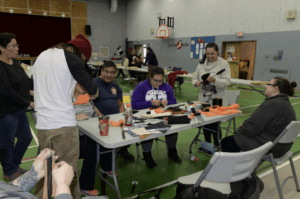
The Ripple Effect is a community-based program developed to reconnect community with culture. The program’s main focus has been language revitalization and hosting cultural events throughout the year in partnership with the Lennox Island Health Center. Our goal was to open the discussion of intergenerational impacts of Residential Schools within the community and find positive ways to heal. The program has brought about new ways to introduce language learning styles and techniques to promote and ensure community members become fluent Mi’kmaq speakers.
“The sense of pride amongst our community members is growing each and every time someone takes a step forward on their healing journey. The Ripple Effect program allows us to learn together and heal together. It is an amazing process.” -Jamie Thomas, Culture Coordinator
Wemindji Cree Nation
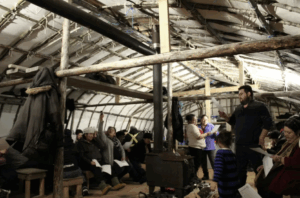
The goals of this community program was to provide a language outreach program as a means to heal the traumas of residential schools through a rejuvenation of Cree language. Classes were offered to students from all levels of knowledge and included everyone from Elders who did not have language learning opportunities, to fluent Cree speakers wanting to re-acquire literacy skills, and to non-Cree speakers starting with the basics of the Cree language. The program attained its objective of increasing language literacy to survivors and their children with 150 participants. There has also been increased outreach for Cree language learning to the greater Cree community through a social media Cree language page. This page has users across the several Cree communities and, as a result, is promoting and expanding the Cree language. This program has helped our community to be more in touch with our beautiful language and solidify the importance of language to the connection with our ancestors and culture.
“I was thinking last night before I went to bed about the language and the meaning of words and I remembered hearing my grandmother and aunt talking to me before I went to residential school. It’s different now, the language, people don’t speak that way anymore. I was thinking after our class last night, that what we are learning, this is the right way how to say it.” – Wemindji Community Cree Language Program Student
University of Victoria
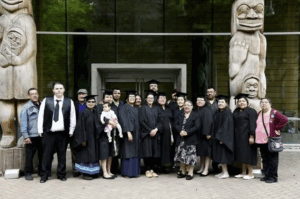
This program’s main objective had been to provide language classes and certificate customized to meet the community’s priorities for language revitalization. These classes encouraged and promoted Cree as the working language in Chisasibi organizations. The results have been great, language capacity has increased and students have acquired the skills, tools, knowledge and strategies to promote and use the Cree language within the community. The staff at the Chisasibi Heritage and Cultural Centre have a renewed and strengthened sense of responsibility as Language Keepers.
“I have been inspired and humbled for the opportunity to work alongside our partners from Chisasibi Cultural and Heritage Centre. The protection of the Cree language, stories, cultural history, and traditional practices – this demonstrates their resilience and strength in response to colonization, the impact of residential schools, and the relocation of the entire community. While the University of Victoria is just a small part of their journey, I think that it’s significant to mention that we had 23 graduates. This speaks to the significance and impact of co-developing educational programs with community partners and stakeholders.” -Tania Muir, Director of Cultural Management Programs, Division of Continuing Studies, University of Victoria
Ontario Native Literacy Coalition
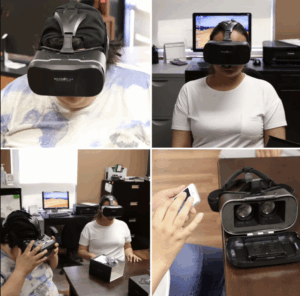
Funding provided by the FG Foundation assisted the Ontario Native Literacy Coalition to create a unique technology and literacy based program. The goals of the I-STEAM program were to provide adult learners the opportunity to explore the fields of Indigenous Science, Technology, Engineering, Arts and Math. The initiative was piloted in three sites throughout Ontario and we found many students engaged and eager to participate. The students, as a result of I-STEAM programming, had increased their individual literacy and work place employability.
“The Indigenous-Science, Technology, Engineering, Arts and Math (I-STEAM) program was developed as a targeted learning resource for adult literacy. The program is filled with exciting and innovative lesson plans for every level. The I-STEAM program helps students to understand that Indigenous peoples have always had this knowledge in their ancestors’ repertoire to survive since time immemorial. The Ontario Native Literacy Coalition (ONLC) would like to see more students pursue careers in these areas and to know it is genetically embedded in their DNA to be leaders in these fields.” -Michelle Davis, CEO, Ontario Native Literacy Coalition
The Manitoba Aboriginal Language Strategy
“The Manitoba Aboriginal Language Strategy (MALS) is a committee driven strategy to revitalize, retain and promote the survival of Indigenous languages in Manitoba. Receiving funding has enabled the organization to move forward in the development of an Indigenous focused language teacher training certification program. This is a significant project for Manitoba, and we are incredibly grateful to the FG Foundation for the opportunity to make it a reality.”
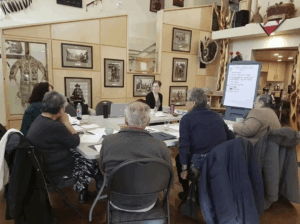
The MALS hosted a series of focus groups, research, discussion, and engagement with department heads, future students, alumni and Elders to revitalize, retain and promote Indigenous languages through the creation of an Indigenous language teacher certification program. The resulting language model is adaptable to meet various institutional specifications and can be utilized across the province.
Swan River First Nation
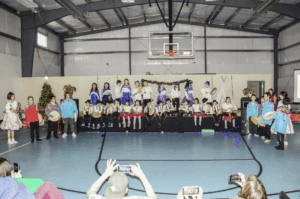
The Cree language program’s primary objective is to expose students to their language and culture through learning activities in and outside the classroom. We offered land based learning of traditional skills and teachings, invited Elders and Survivors to teach youth or history and share their experiences. Elders volunteered and taught students in school through storytelling, drum and rattle making, sewing traditional regalia and outfits. Youth learned from knowledge keepers how to build shelters, dancing, making a fire, tree identification, picking herbs, cultivation of medicines, fishing, and snaring of small game. The program also held traditional feasts/gatherings throughout the year to showcase student achievements in the program and language development.
Upper Nicola Indian Band
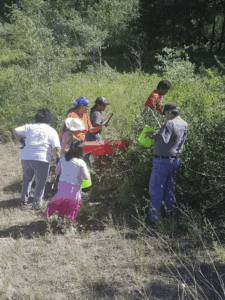
The primary purpose of the ”We Are Better Together” program was to address some of the major issues stemming from the impacts of Indian Residential School, such as; loss of language, culture, family structure, and disconnection from the land. Okanagan language, traditional knowledge building, and food preparation workshops were held seasonally throughout the year while also incorporating cultural identity, self-esteem/expression and self-awareness. Participants learned traditional territory locations, kokanne and trout fishing, berry picking, tea and medicine gathering. The program also included a “Calling Our Spirits Home – Healing Walk” from Kamloops Indian Residential School to the communities of Quilchena and Spahomin as a way of enriching solidarity and healing as a community. High interest and attendance of these workshops and the walk confirm this programming is needed and has direct beneficial impacts on individuals, families and community.
Bridges for Women Society
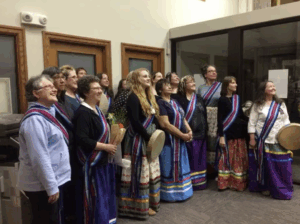
The FG Foundation provided us the opportunity to create a program to deliver services of trauma informed healing, employability training, Metis culture and identity strengthening activities. Our Metis Women’s Bridging program offered weekly professional trauma counselling to survivors and family members and a series of workshops. Workshops included traditional meal preparation, medicine preparation and Métis art teachings and creation. Participants are now able to connect to a positive support system for themselves and their families while continuing to address and reduce isolation, and maintain connections to Métis culture, language and community. They can also actively teach the next generation and increase cultural engagement at both the family and community-level.